

How Gen Z and Millennials Are Rewriting Drinking Culture
How Gen Z and Millennials Are Rewriting Drinking Culture
Remember when “going out for drinks” was the default social plan? Taprooms were packed, nights out ended in shots, and skipping alcohol might’ve felt strange. Today, health, transparency, and sustainability play a meaningful role in how younger generations make beverage decisions, driven by greater awareness of ingredients, sourcing, environmental impact, and fit within daily life. These considerations are reshaping social settings and expanding choice beyond traditional alcohol.
Based on current statistics, only 54% of U.S. adults report drinking alcohol, the lowest rate in nearly 90 years and a majority view even moderate drinking as harmful (Gallup).
So, what’s driving this movement in how younger generations approach alcohol? Let’s look at this evolution — from fad, to trend, to behavior.
The “Sober Curious” Fad
A few years back, the idea of drinking less alcohol began showing up as a moment fueled by social media, wellness influencers, and visible challenges like Dry January and #TeetotalTikTok. At the time, these concepts felt experimental, positioning reduced drinking as something to try rather than fully adopt.
What started as a fun New Year’s challenge snowballed into a broader cultural conversation: it encouraged people to test alcohol-free periods and explore non-alcoholic drinks, mocktails, and refreshing alternatives, often framed as short-term resets.
A 2025 consumer sentiment survey found that half of Americans planned to reduce their drinking. Gen Z reported the highest intent to do so, with 65% indicating plans to cut back. (Circana).
From Experimentation to Established Patterns
Experimentation has translated into behavior changes. A growing share of Gen Z drink less frequently or not at all, averaging about 20% lower per-capita consumption than Millennials at the same life stage (Attest) (World Finance).
Behaviors like “zebra striping”, alternating alcoholic drinks with non-alcoholic options, have gained widespread visibility, signaling a more balanced approach to social drinking.
Mindful Drinking Becomes Everyday Behavior
Gone are the days when “how many shots?” was the go-to question. In everyday social settings, younger consumers are reaching for non-alcoholic options like mocktails, flavored sparkling water, and iced tea. As non-alcoholic drinking becomes more routine, beverage choices seem to be shaped by a desire for functional benefits and daily wellness. Black and green tea fit naturally into these mindful drinking habits as a healthy, no-sugar option with well-recognized wellness attributes, particularly as awareness grows around how drinking impacts sleep, energy, and mental health. (TIME).
Non-alcoholic beverages now appear alongside beer, wine, and spirits as standard menu options rather than secondary choices.
What This Means for the Beverage World
The beverage industry has taken notice. As consumption patterns evolve, brands are rethinking how social occasions are designed, moving beyond single-category experiences. This shift shows up in sober-friendly events, alcohol-optional gatherings, and menus that routinely include non-alcoholic options alongside beer, wine, and spirits. (Circana).
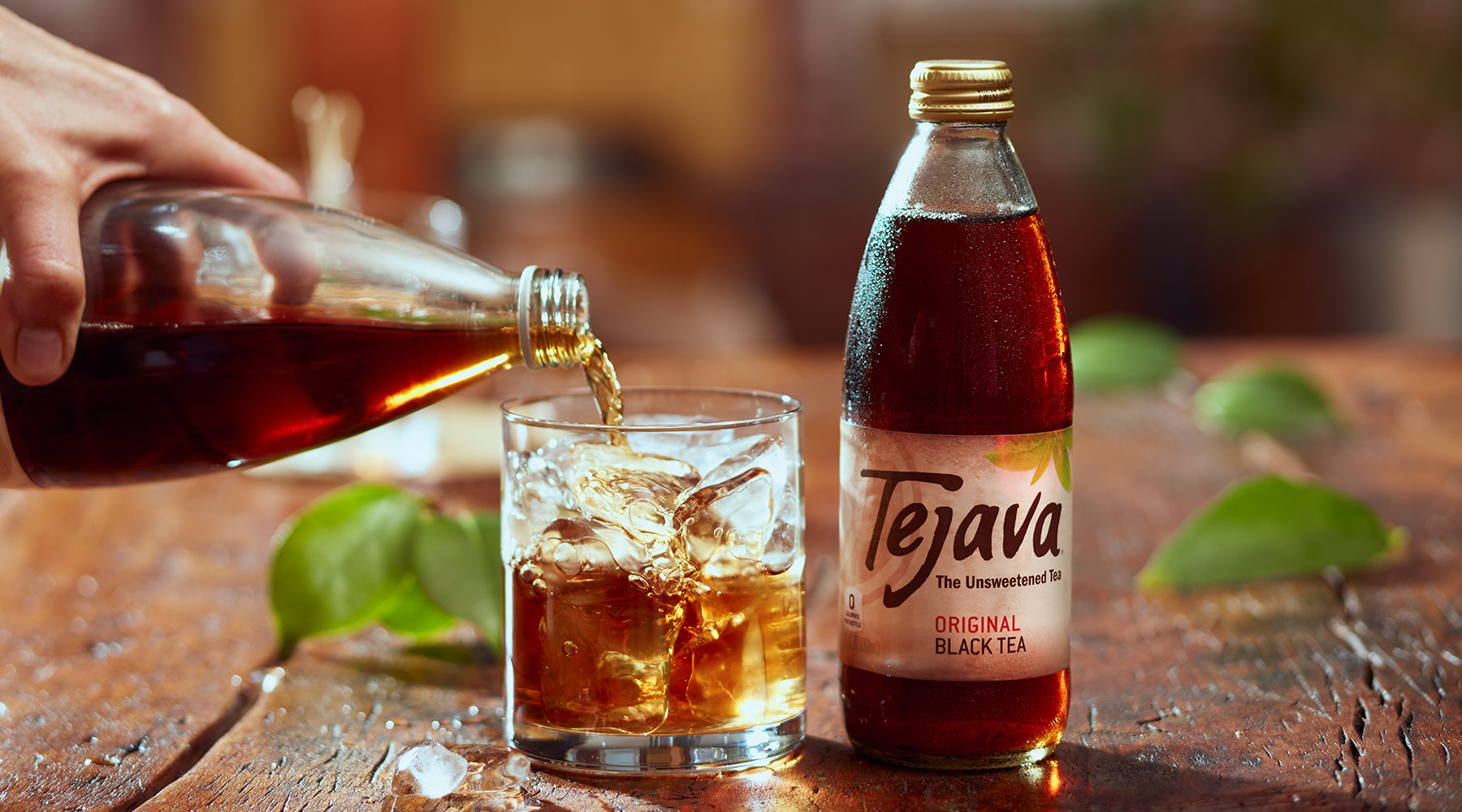
As drinking culture evolves, brands like Tejava® Tea fit naturally into modern behavior, offering a bold, smooth, non-alcoholic, no sugar option. It’s about choices that align with how people want to feel, both in the moment and after. Explore Our Recipe Page
Takeaway
What stands out is how seamlessly this change has been absorbed. Beverage offerings are now planned with built-in flexibility, reflecting a landscape shaped in large part by Gen Z’s expectations for mindful choices.
Ready to mix something refreshing? Learn about elevated mocktails featuring Tejava.