

How to Taste Tea Like an Expert: 5 Things I Look for in Every Cup
By: Gabrielle
As a tea sommelier, I've tasted countless teas over the years, and while I have my favorites, I evaluate every tea the same way. Whether I'm trying a loose-leaf tea for the first time or revisiting one I've enjoyed for years, there are five things I always pay attention to: aroma, balance, complexity, body, and finish.
Once you know what to look for, you'll start experiencing tea in a completely new way.
1. Tea Aroma
The very first thing I notice isn't the flavor—it's the aroma.
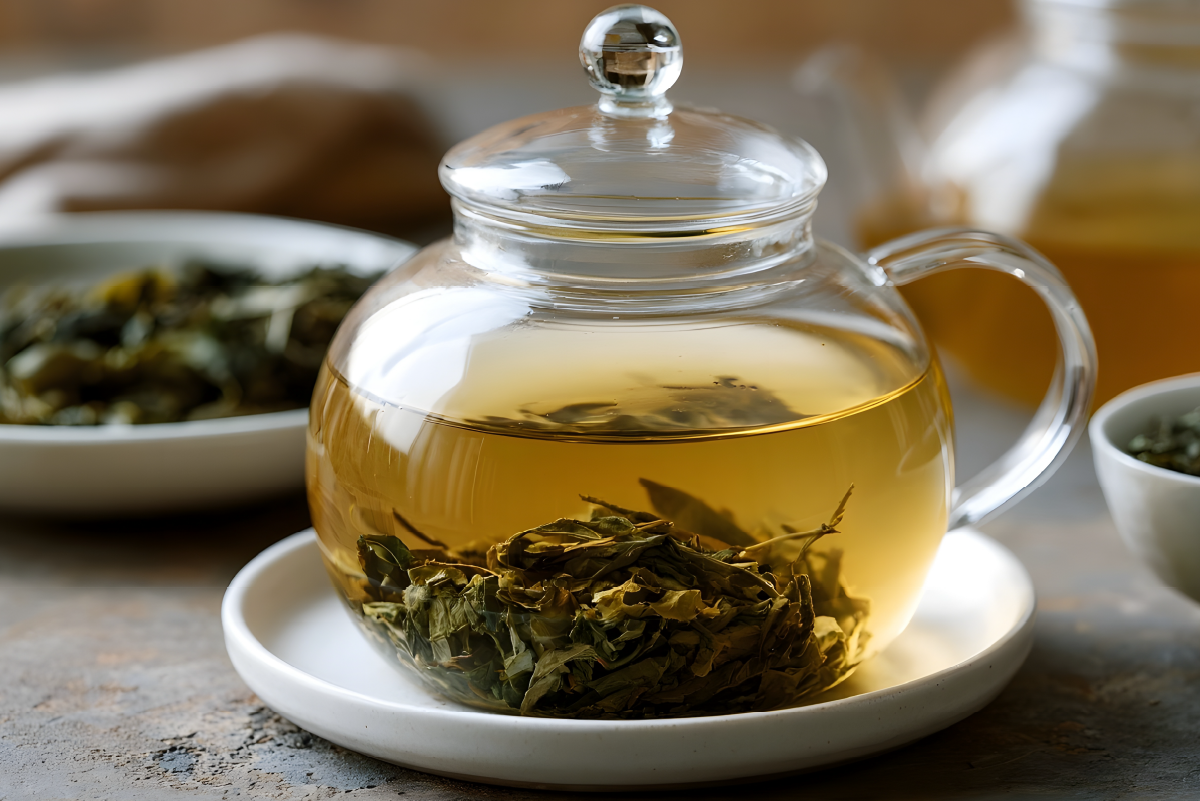
Before I even brew the tea, I spend a moment smelling the dry leaves and looking at them closely. I pay attention to their color, shape, and whether they're whole leaves or broken pieces. Then I warm my teapot—usually a glass one because I love watching the leaves slowly unfurl—and smell the leaves again as the heat begins to awaken their aromas.
Once the tea has finished brewing, I take another deep breath. The wet leaves often smell completely different from the dry ones, and sometimes the empty cup holds lingering aromas that reveal even more about the tea.
One of my favorite things about tea is how deeply connected aroma is to memory. A tea might remind me of walking through a forest after a rainstorm, fresh-cut hay, blooming flowers, warm honey, or afternoons spent sharing tea with someone I love. Those memories become part of every cup.
2. Balance in Tea Flavor
Balance is what makes a tea feel harmonious. As I taste, I ask myself if any one characteristic is overpowering the others. Is the sweetness balanced by gentle astringency? Are the floral notes complementing the earthy or malty flavors? Does everything work together? The best teas don't have to be loud; they just feel complete. Every element has its place.
3. Complexity and Tea Flavor Notes
One of the things I love most about exceptional tea is that it keeps revealing something new. Instead of tasting just one note from beginning to end, a complex tea unfolds in layers. I may notice malt or toasted grains in the first sip, followed by honey, dried fruit, citrus peel, flowers, fresh herbs, or even subtle woody notes as the tea cools.
When I'm tasting loose-leaf tea, I almost always brew multiple infusions because each steep can reveal a different side of the same tea. That's one of the joys of high-quality tea, there's always something new to discover.
4. Tea Body and Mouth Feel
Body describes how the tea feels in my mouth. Some teas are light, crisp, and refreshing. Others are rich, silky, and almost creamy. Some leave a pleasant dryness, while others make my mouth water with a juicy, full sensation. I think body is just as important as flavor because it shapes the entire drinking experience. Two teas can have similar tasting notes but feel completely different because of their body.
5. Tea Finish
The final thing I pay attention to is the finish—the impression the tea leaves behind after each sip. Does the flavor disappear quickly, or does it linger? Do new notes continue to develop after I've swallowed? Does the tea leave my mouth feeling refreshed and wanting another sip? A beautiful finish is often what I remember long after the cup is empty.
Looking Beyond the Cup
When I'm evaluating loose-leaf tea, I don't stop once it's brewed. I like to examine the infused leaves to see how they've opened. Are there two leaves and a bud? Are the leaves whole and intact? Have the colors become more vibrant? Looking closely at the leaves tells me a great deal about how the tea was harvested and processed.
When I'm helping someone learn to taste tea, I also recommend using a tea flavor wheel. It provides helpful categories like floral, vegetal, fruity, earthy, roasted, woody, and marine, making it much easier to identify what you're tasting. Another fun exercise is brewing the same tea both hot and cold. Cold brewing often brings forward entirely different flavor notes and natural sweetness that you may not notice in a hot infusion.
The More You Taste, the More You'll Notice
Tea tasting is a lot like wine tasting—it becomes more rewarding with experience. The more attention I pay to aroma, balance, complexity, body, and finish, the more I appreciate the craftsmanship behind every cup. Over time, I've learned how growing region, elevation, harvest season, and processing all influence the final flavor.
My hope is that the next time you brew a cup of tea, you'll slow down and notice these five qualities for yourself. You don't need to be a tea sommelier to taste tea more thoughtfully—all you need is a little curiosity.

